Shadow Fight 2 vs Shadow Fight 3: Which One Should You Play? (Full Comparison)
Every few months, someone asks the same question in the Shadow Fight community: is Shadow Fight 3 better than 2, or should I play Shadow Fight 2 or 3? Both games come from NEKKI, both are about shadow energy and martial arts, and both have millions of fans. But they are very different games under the hood.
This guide gives you a full, honest comparison: graphics, gameplay, story, gear systems, monetization, offline play, and device requirements. By the end, you will know exactly which game fits you (or whether you should just play both).
Quick Comparison: Shadow Fight 2 vs Shadow Fight 3
| Feature | Shadow Fight 2 | Shadow Fight 3 |
|---|---|---|
| Graphics | 2D silhouette art style | Full 3D characters and arenas |
| Combat feel | Arcade-like, timing-based | Fluid, combo-driven, stance-based |
| Story | Linear demon-fighting adventure | Branching story with factions and choices |
| Customization | Gear + enchantments + magic | Cards, perks, shadow abilities |
| Offline play | Mostly offline | Needs internet for events, duels, marathons |
| Device needs | Runs well on low-end phones | Needs a stronger device |
| Game size | Smaller download | Much bigger game |
| Progression | Grind-heavy, coin shop | Card unlocks, events, marathons |
| Multiplayer | No real-time PvP | Real-time duels (AI-controlled opponents), online tournaments |
| Best for | Nostalgic players, low-end devices, pure fighting fans | Players who want 3D graphics, story depth, and online play |
Graphics and Art Style: Silhouettes vs Full 3D
Shadow Fight 2’s iconic 2D silhouette style is what made it famous. Everything is a black shadow against painted backdrops, and that simplicity is why the game still looks clean on almost any phone. There is something timeless about watching two shadows trade blows; it never looks dated because it was never trying to look real.
Shadow Fight 3 went the opposite way: fully rendered 3D fighters, detailed arenas, and cinematic camera work. If you want your fighting game to look modern and flashy, SF3 wins this round easily. But 3D comes at a price, which we will cover in the device section below.
One thing veterans always bring up: the soundtrack. SF2’s music is upbeat and energetic, and many old players say SF3’s darker, more atmospheric score never hit the same way.
Winner depends on taste: SF3 for modern 3D visuals, SF2 for the timeless silhouette look and nostalgia.
Gameplay and Combat: Precision vs Combos
This is where the two games feel the most different in your hands.
Shadow Fight 2 is an arcade-style fighter. Fights are about timing, spacing, and reading your opponent’s animations. Your moves are tied to your weapon and gear, and boss fights feel like puzzles: you learn Lynx’s bombs, Hermit’s magic, Butcher’s knockdown, and so on. If you like our boss guides, you already know the satisfaction of finally cracking a demon’s pattern.
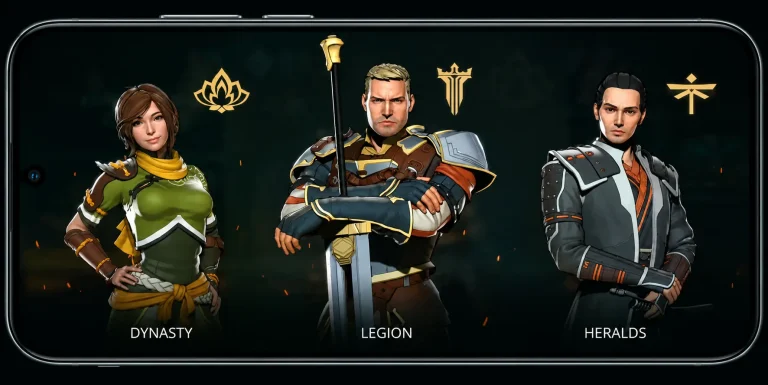
Shadow Fight 3 is smoother and more combo-friendly. You pick a fighting style from three factions: Legion (heavy, tanky weapons), Dynasty (fast, agile, combo-heavy), and Heralds (precise, technical fighters). Shadow energy unlocks a shadow form with special abilities, and fights flow more like a modern action game than an old-school arcade fighter.
So which is harder? Honestly, players disagree. SF2’s strict timing makes some fights brutal for newcomers, while SF3’s card-gated power and faster pace create a different kind of difficulty. Most long-time players will tell you SF2’s late bosses, especially Shogun and Titan, demand more real skill.
Winner depends on taste: SF2 for deliberate, skill-based dueling; SF3 for fast, flashy combos.
Gear, Enchantments, and Customization
Here is an angle most comparison articles skip, and it matters a lot.
In Shadow Fight 2, your build is gear plus enchantments plus magic spells. You buy equipment with coins, then mix enchantments like fire, ice, poison, life steal, and regeneration. The depth comes from stacking these systems: a poison katana with life steal plays nothing like a fire enchanted heavy weapon. Check our best enchantments guide and best weapons guide if you want to see how deep this rabbit hole goes.
In Shadow Fight 3, gear comes from card packs. You collect cards to unlock and upgrade weapons, armor, and helmets, then slot in perks and shadow abilities. On paper it is deeper, with skill trees and three faction styles. In practice, many players complain that random card unlocks feel like the game decides your build for you, instead of you choosing it.
The honest take: SF2 gives you direct control over your build through its coin shop and enchantment system, while SF3 offers more systems but gates them behind randomness. If you hate loot-box-style progression, SF2 will feel fairer.
Winner: SF3 for raw customization options; SF2 for player control and fairness.
Story: Are Shadow Fight 2 and 3 Connected?
Yes, and this is the part almost no comparison page explains properly.
Shadow Fight 2 follows Shadow, a warrior who opened the Gates of Shadows and now hunts the six demons who escaped: Lynx, Hermit, Butcher, Wasp, Widow, and Shogun, with the warlord Titan waiting at the end. It is a focused, linear story: fight the demons, seal the gates.
Shadow Fight 3 continues that story years later, and here is the twist players love: the hero of SF2 becomes the villain of SF3. Shadow, corrupted by shadow energy, is now the threat. You play as his child, the Descendant, and the story branches through the three factions as you decide the fate of shadow energy itself.
So “is Shadow Fight 2 and 3 connected?” is not even a debate: SF3 is a direct continuation, and the story hits much harder if you have played SF2 first. Seeing Shadow as the villain lands differently when you remember beating Titan with him.
Winner: SF3 for story depth; but play SF2 first for the full impact.
Monetization: Grind vs Cards
Let us be honest, because this is where players get burned.
Shadow Fight 2 is grind-heavy. Progress is slow, coins take time, and the energy system limits how much you can play in one sitting unless you wait or pay. But everything is earned through the coin shop; there is no gambling on what gear you get.
Shadow Fight 3 looks more generous at first: constant events, marathons, and free rewards. But the card system means your power is partly luck, and the game nudges impatient players toward spending. Is Shadow Fight 3 pay-to-win? Most of the community says yes, at least for players who want to progress fast. Patient players can absolutely play free, but it takes discipline.
Winner: SF2 for transparent pricing of progress; SF3 for frequent free events.
Offline Play, Device Size, and Battery
This one is simple and practical.
Shadow Fight 2 works mostly offline and runs smoothly on low-end devices. Small download, light on battery, no forced updates breaking your session. If your phone is older or your data plan is tight, SF2 is the comfortable choice.
Shadow Fight 3 needs a real internet connection for its best features: duels, events, marathons, and tournaments. It is a much bigger download, heavier on storage and battery, and it wants a stronger phone to run the 3D graphics well. Playing on weak hardware means frame drops in the middle of fights, which is miserable in a fighting game.
Also worth knowing: SF3’s “duels” are against AI-controlled opponents, not real players in real time. The game presents them like PvP, but community testing has shown they are bots. Fun, but not the real PvP experience some players expect.
Winner: SF2 for low-end devices and offline play; SF3 if you have a strong phone and stable internet.
Bosses and Content
SF2’s boss roster is legendary in mobile gaming: six demons across six acts, each with bodyguards, unique weapons, and distinct fighting styles, then Titan as the final wall. Our site has a full guide for every one of them because each fight genuinely needs its own strategy.
SF3 counters with its own memorable bosses across the three factions, with standouts like Gizmo, Sergeant, and Itu, plus raid-style content and the faction war system. There is more content overall, but it is spread across events and updates rather than one handcrafted campaign.
Winner: SF2 for the classic handcrafted boss campaign; SF3 for sheer volume of content.
The Verdict: Which Should You Play?
Forget the “it depends” non-answer. Here is a real decision framework.
Play Shadow Fight 2 if:
- You want a complete, skill-based fighting game you can play offline
- Your phone is low-end or your storage is tight
- You love the silhouette art style and nostalgic soundtrack
- You hate loot boxes and random unlocks
- You want to experience the story before SF3
Play Shadow Fight 3 if:
- You want modern 3D graphics and fluid combo combat
- You have a strong phone and stable internet
- You enjoy long branching stories with factions and choices
- You like online events, duels, and constant new content
Play both if: you are a real fan of the series. Start with SF2 for the story and the classic boss fights (our beginner’s guide will get you going fast), then move to SF3 to see where Shadow’s story goes. The games reward each other.
And if you are playing SF2 on Android, grab the latest official version (v2.46.0) from our homepage so you are starting from the current build.
Frequently Asked Questions
Is Shadow Fight 3 better than 2?
It depends on what you value. SF3 has better graphics, a deeper story, and more content. SF2 has fairer progression, works offline, and runs on any device. Neither is objectively better.
Should I play Shadow Fight 2 or 3?
Play SF2 first if you care about the story, since SF3 continues it and Shadow becomes the villain. If you only want modern 3D fighting with online events, jump straight to SF3.
Which is better, Shadow Fight 2 or Shadow Fight 3?
For offline play, low-end phones, and skill-based boss fights: SF2. For 3D graphics, story depth, and online content: SF3. Most series fans play both.
Is Shadow Fight 2 and 3 connected?
Yes. SF3 is a direct sequel. Shadow, the hero of SF2, becomes the main villain, and you play as his child, the Descendant. The story of shadow energy and the Gates of Shadows continues across both games.
Is Shadow Fight 3 pay-to-win?
For impatient players, yes. The card-based unlock system and premium shortcuts favor spending. Patient players can progress for free through events and marathons, but it is slower than SF2’s coin-shop progression.
Can I play Shadow Fight 3 offline?
Only partially. The core campaign works, but duels, events, marathons, and tournaments need an internet connection. SF2 is the better offline game.
Are Shadow Fight 3 duels against real players?
No. SF3’s duels are against AI-controlled opponents, even though they are presented like PvP matches.
Is Shadow Fight 2 or Shadow Fight 3 harder?
Most veteran players say SF2’s late bosses demand more skill, thanks to strict timing and punishing patterns. SF3’s difficulty comes more from power-gated content and card progression.
Is Shadow Fight 2 still good?
Yes. The silhouette art style aged well, the boss fights are still some of the best on mobile, and it runs on practically any phone. Its community is still active years after release.
Why is Shadow Fight 2 still popular?
Three reasons: the timeless art style, the fair skill-based combat, and the fact that it works offline on low-end devices. Millions of players still prefer it over the heavier, more monetized sequel.
Want more Shadow Fight 2? Start with our beginner’s guide, master the best enchantments, or try Eclipse mode when you are ready.